

Culture Route
Mersin
A city that runs from the Taurus Mountains down to the sea: ancient harbours, monasteries set into rock, a delta full of birds and food cooked on the street. This is the route we show our guests.
Stops on the route
Nine stops from Anamur to Tarsus, along the coast and up into the Taurus foothills.
 1Photo: Островский Александр, Киев, CC BY-SA 3.0
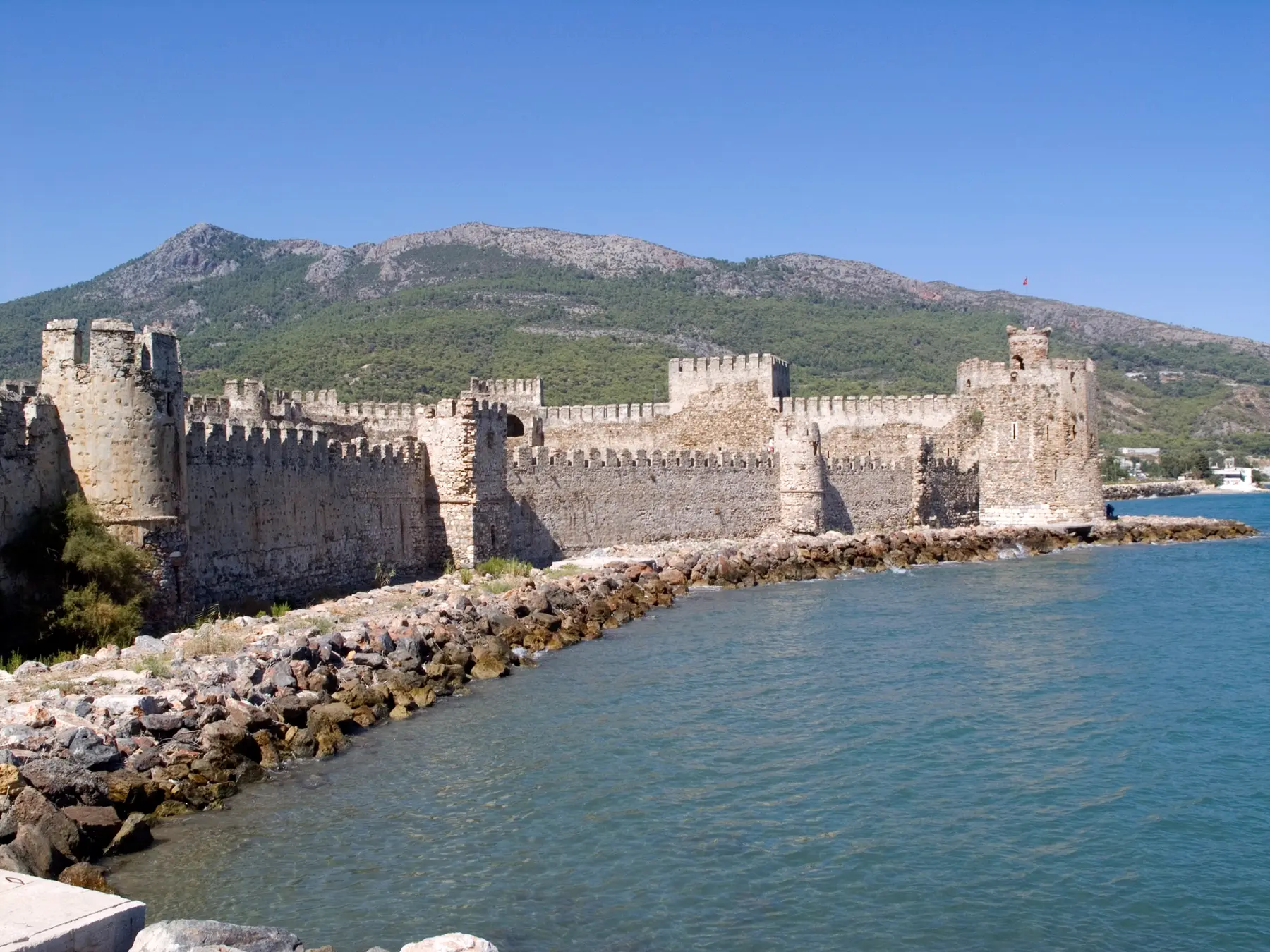
AnamurMamure CastleRight on the shore and lined with towers, one of the best-preserved castles in Anatolia. Roman, Karamanid and Ottoman layers share the same walls. 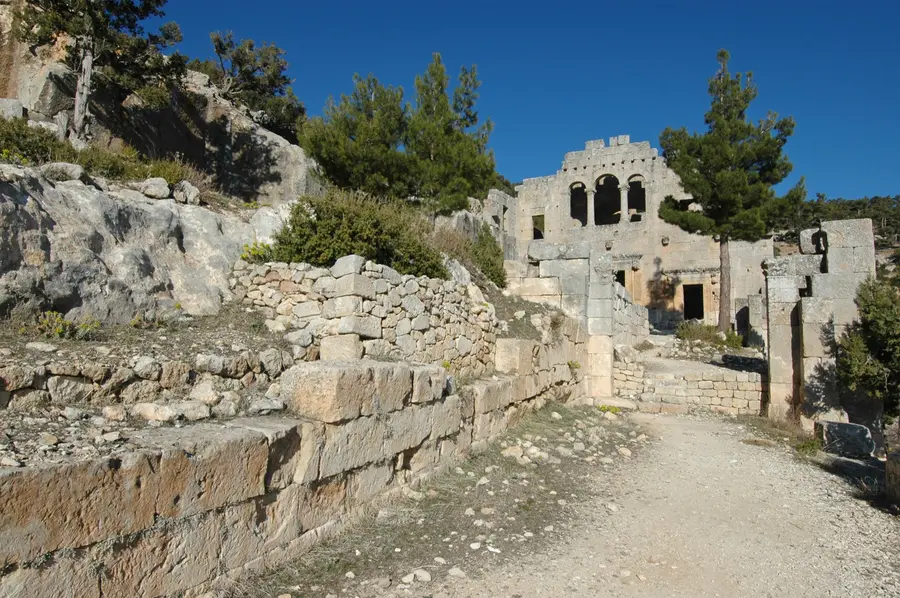 2Photo: Dosseman, CC BY-SA 4.0
MutAlahan MonasteryA 5th-century monastery on a slope above the Göksu valley. The stonework of its East Basilica is among the best-preserved early Byzantine architecture, and it is on UNESCO's World Heritage Tentative List. 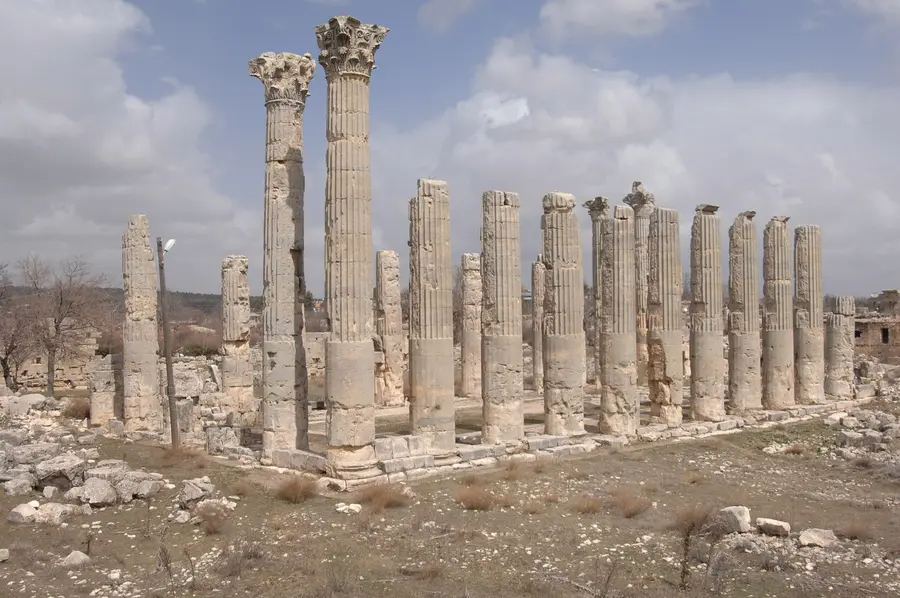 3Photo: Dosseman, CC BY-SA 4.0
SilifkeUzuncaburç (Diocaesarea)Ancient Olba–Diocaesarea. The columns of the Temple of Zeus Olbios, the Temple of Tyche and the tall tower that gives the village its name, on a cool plateau in the Taurus foothills. 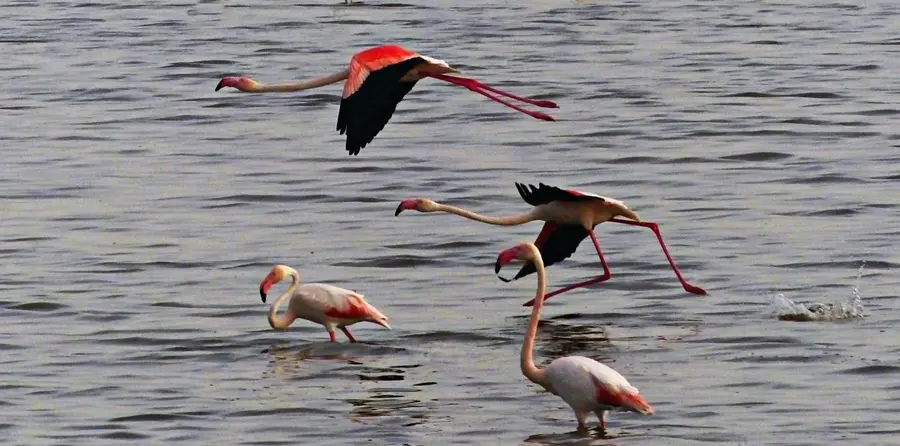 4Photo: İsmail Özyurt, CC BY-SA 4.0
SilifkeGöksu DeltaLagoons, dunes and reed beds where the Göksu River meets the sea. A Ramsar site and an important Mediterranean stop for flamingos, purple swamphens and nesting sea turtles. 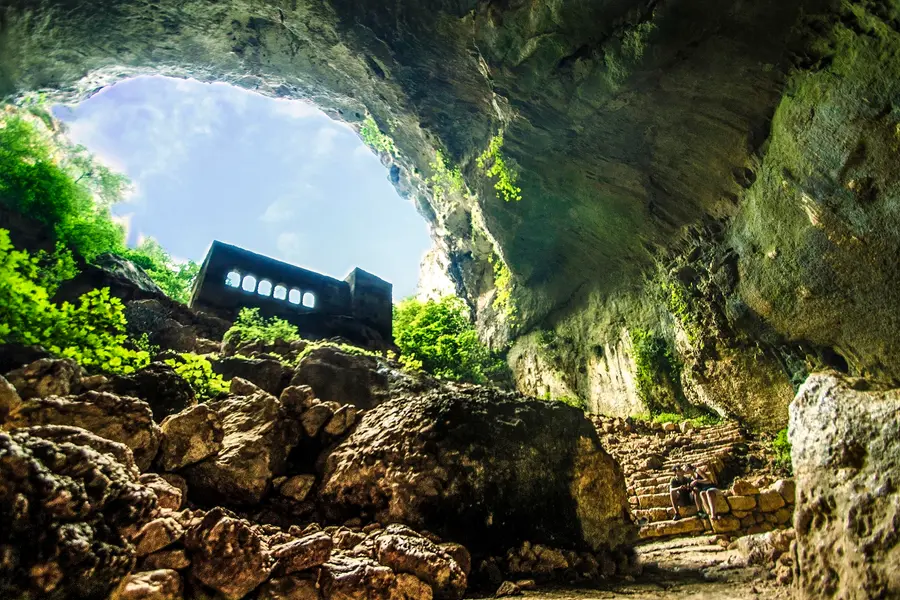 5Photo: Engin Asil, CC BY-SA 3.0
SilifkeHeaven and Hell sinkholesTwo giant sinkholes carved out of the karst. Hundreds of steps lead down into Heaven, where a Byzantine chapel stands at the mouth of the cave; Hell can only be seen from above. 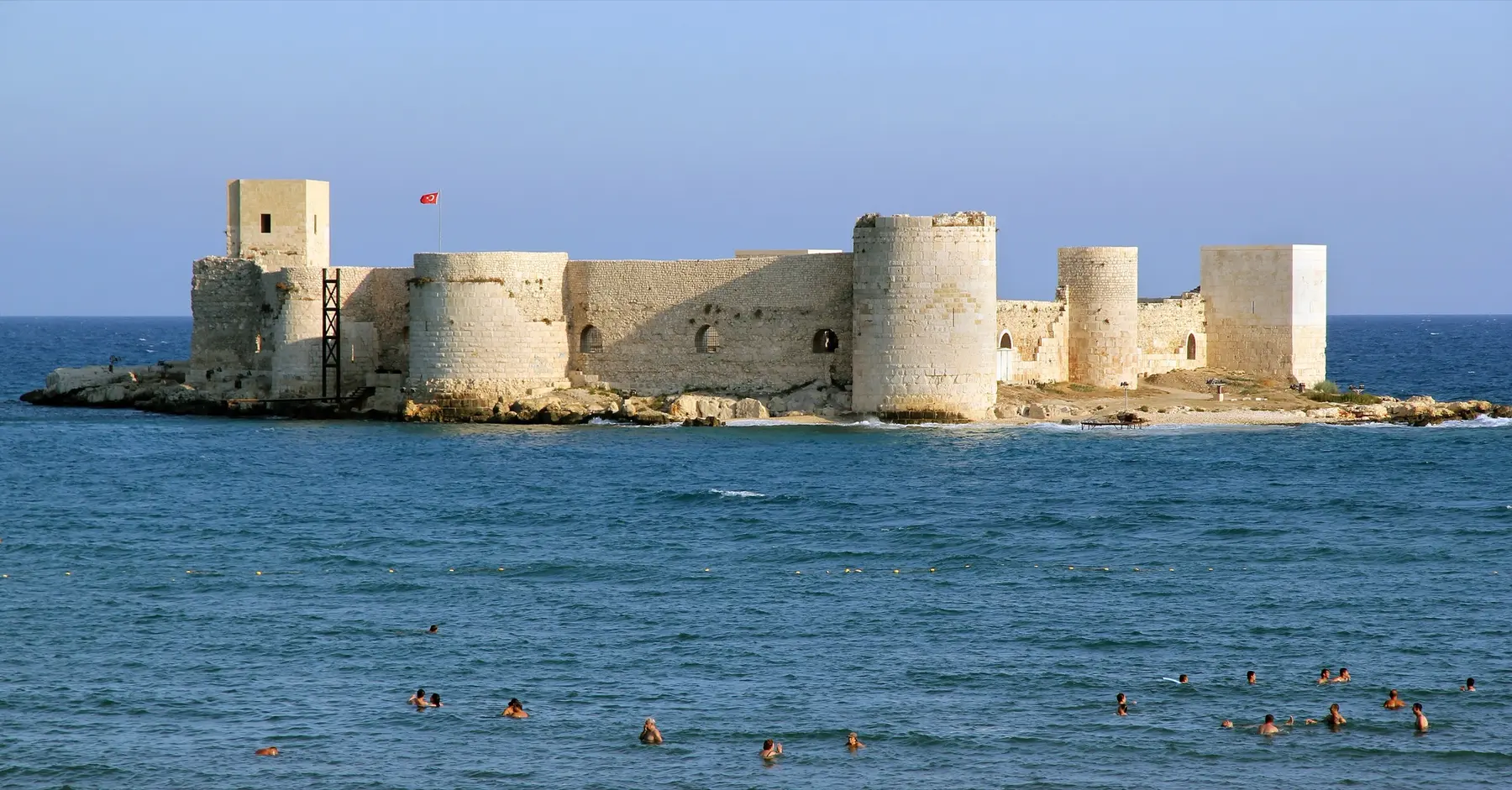 6Photo: Klaus-Peter Simon, CC BY-SA 3.0
ErdemliKızkalesi (Maiden's Castle)A medieval castle on an islet just off the shore, facing the land castle of Korykos. Its legend, clear water and summer evenings make it Mersin's postcard. 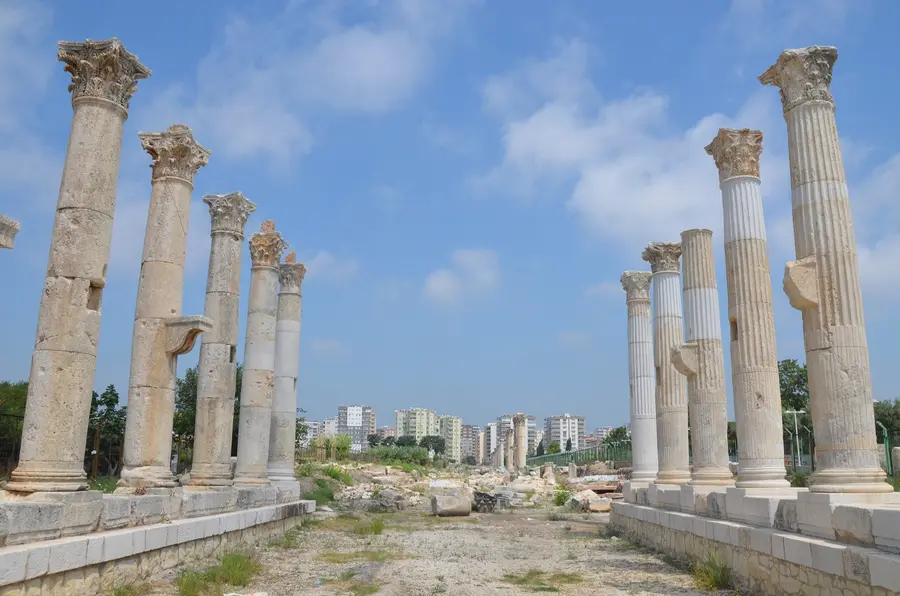 7Photo: Carole Raddato from FRANKFURT, Germany, CC BY-SA 2.0
MezitliSoli PompeiopolisAn ancient harbour city inside today's Mersin, with a colonnaded street running down to the sea. The word "solecism" is said to come from the broken Greek spoken by the people of Soli. 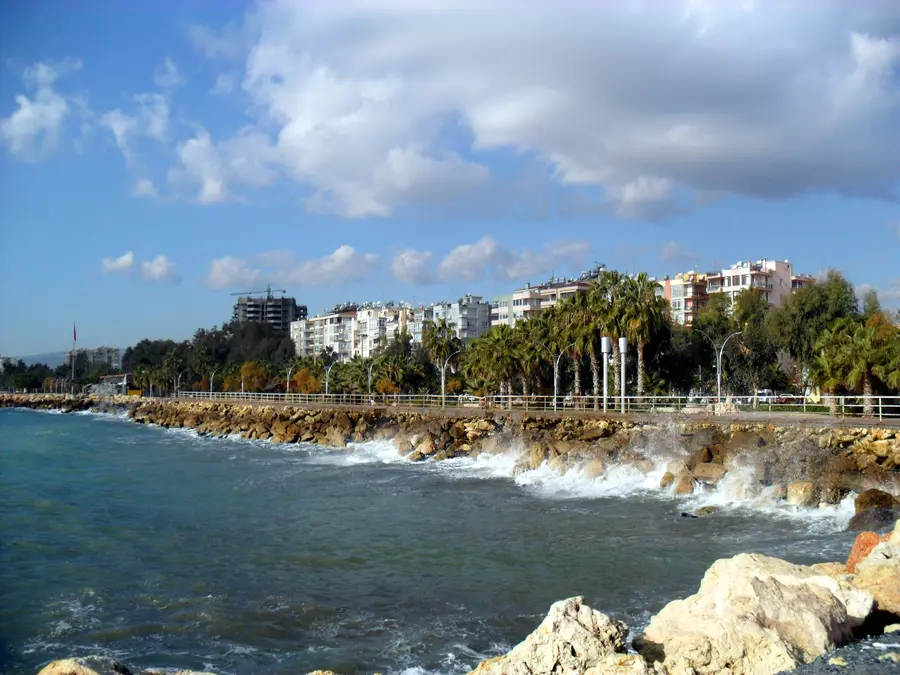 8Photo: Nedim Ardoğa, CC BY-SA 3.0
YenişehirMersin seafrontA walking and cycling path along the whole city, with parks and the marina. The place for evening walks, bike rides and sunsets. 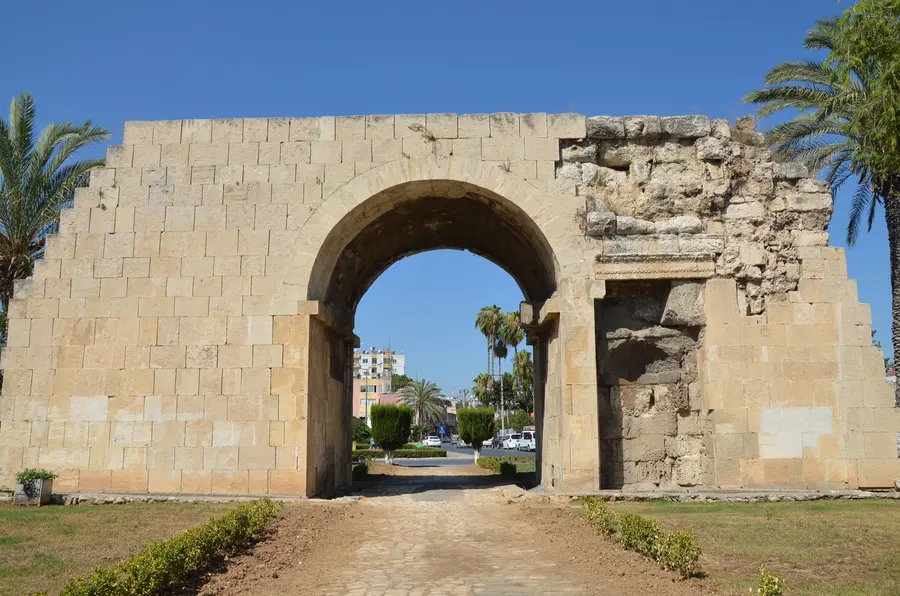 9Photo: Carole Raddato from FRANKFURT, Germany, CC BY-SA 2.0
TarsusCleopatra's GateA Roman-era city gate in Tarsus. Legend says Cleopatra passed through it on her way to meet Mark Antony, and the gate takes its name from that story.
Mersin at the table
A day in Mersin starts with tantuni and ends with cezerye.
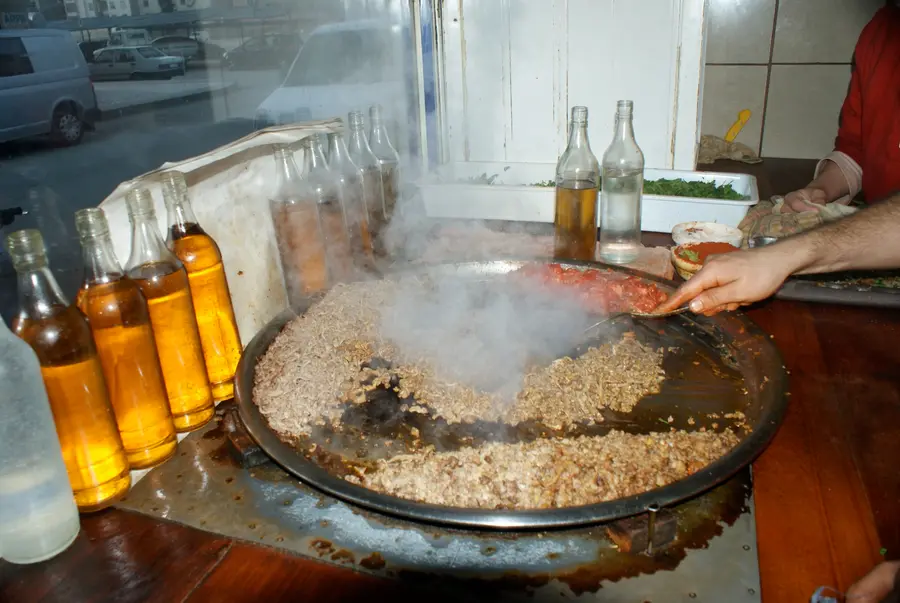
Tantuni
Finely chopped meat cooked on a sac griddle in cottonseed oil and rolled in lavash, with pickled chillies and ayran. Mersin's signature street food.
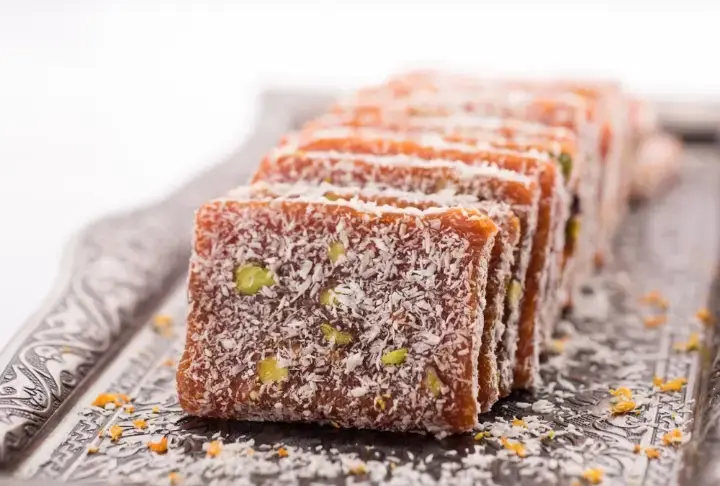
Cezerye
Carrots, sugar and walnuts or pistachios cooked down until thick, then rolled in coconut. Found in the suitcase of everyone leaving Mersin.
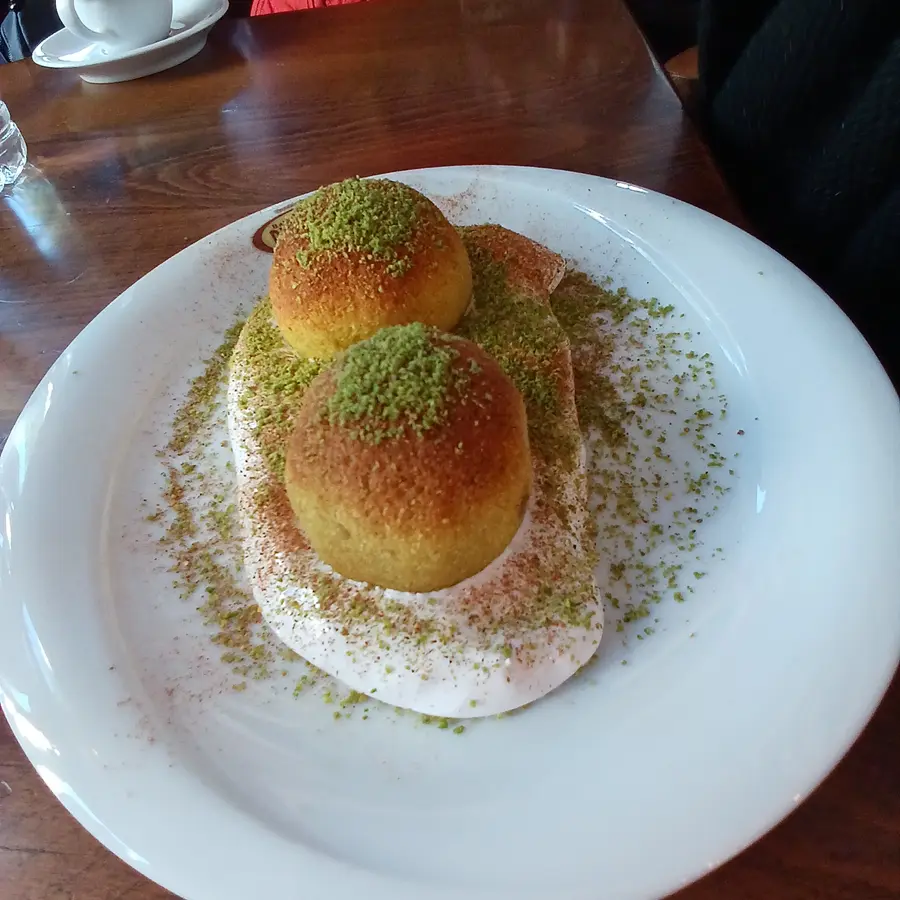
Kerebiç
Semolina cookies filled with pistachio, eaten with a white foam whipped from soapwort root (naatıf). A Ramadan sweet of Mersin and Tarsus.
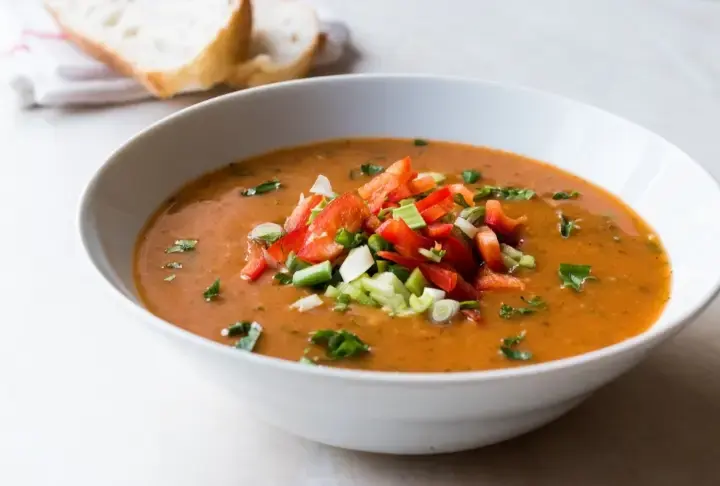
Batırık
A cold dish of tomato, fine bulgur, ground nuts and spices, eaten with fresh greens on hot summer days.
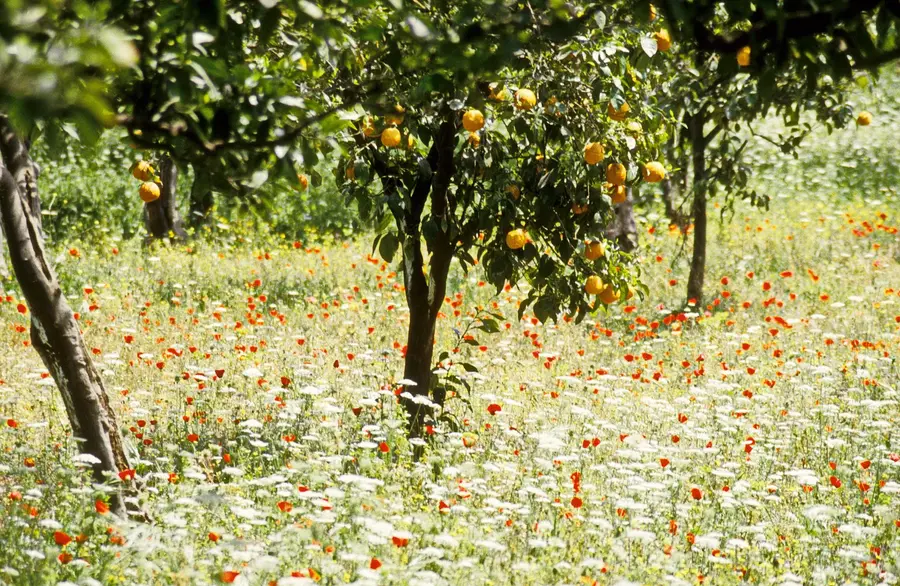
Citrus
Lemons, oranges, mandarins. Mersin is one of Turkey's biggest lemon growers, and in winter its orchards and markets turn yellow.
Image credits
The photos below come from Wikimedia Commons and are used under the licences listed; the others were provided by our club.
- Mamure Castle — Островский Александр, Киев, CC BY-SA 3.0
- Alahan Monastery — Dosseman, CC BY-SA 4.0
- Uzuncaburç (Diocaesarea) — Dosseman, CC BY-SA 4.0
- Göksu Delta — İsmail Özyurt, CC BY-SA 4.0
- Heaven and Hell sinkholes — Engin Asil, CC BY-SA 3.0
- Kızkalesi (Maiden's Castle) — Klaus-Peter Simon, CC BY-SA 3.0
- Soli Pompeiopolis — Carole Raddato from FRANKFURT, Germany, CC BY-SA 2.0
- Mersin seafront — Nedim Ardoğa, CC BY-SA 3.0
- Cleopatra's Gate — Carole Raddato from FRANKFURT, Germany, CC BY-SA 2.0
- Tantuni — Redcocksauce, CC0
- Kerebiç — Basak, CC0
- Citrus — Volker Höhfeld, CC BY-SA 4.0